
As the temperatures drop, ensuring your home is prepared for winter is essential. Taking the time to winterize your home keeps you and your family comfortable, protects your property from damage, and lowers energy costs. Cold weather can strain your heating system, lead to frozen pipes, and allow drafts that make rooms feel chilly. Homeowners who proactively address these challenges save money, prevent emergencies, and enjoy a safer, more efficient home throughout the season.
Inspecting and Sealing Windows and Doors
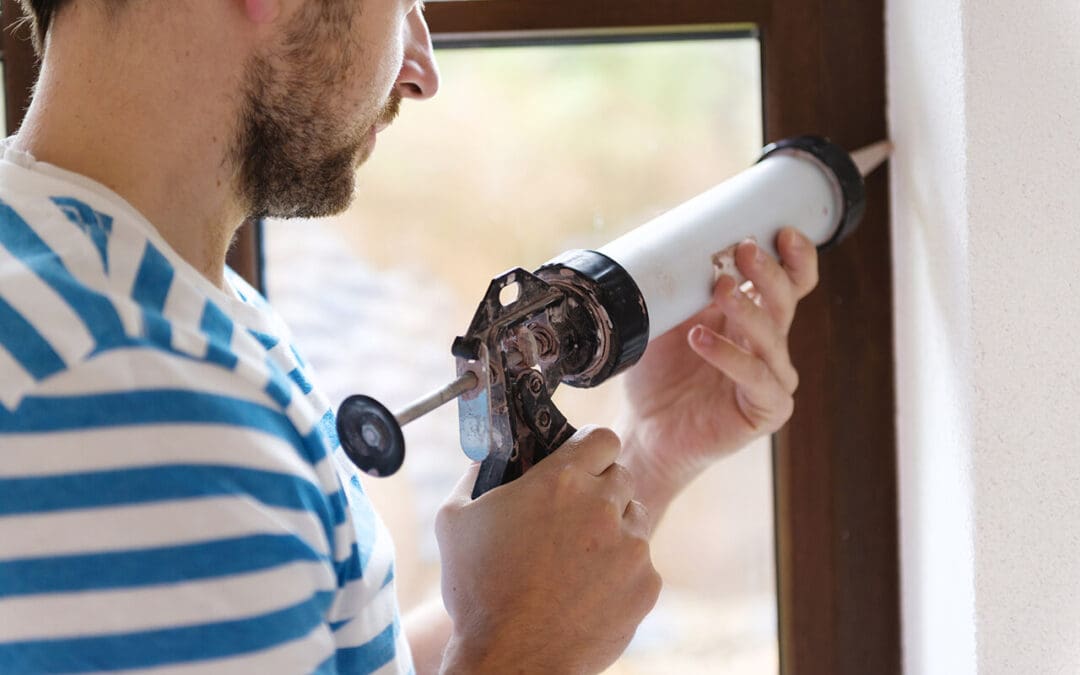
One of the first steps to winterize your home is checking for drafts around windows and doors. Even small gaps could let cold air in and warm air out, significantly increasing your heating bill. Start by inspecting weatherstripping and caulking along frames. Replace worn seals and fill any necessary cracks. You could also add door sweeps and use insulated curtains or thermal panels to reduce heat loss. By addressing these small yet crucial areas, you enhance both comfort and energy efficiency, guaranteeing your home retains warmth during the coldest months.
Winterize Your Home by Servicing Heating Systems
A properly functioning heating system is critical when you winterize your home. Schedule a professional inspection of your heating system to guarantee it is clean and operating efficiently. Replace filters regularly to maintain airflow and prevent dust from circulating. For homes with heat pumps or radiators, check for blockages or leaks and make sure all components are working correctly. Maintaining your heating system not only increases comfort but also extends its lifespan and reduces the likelihood of breakdowns when you need it most.
Protecting Plumbing and Preventing Frozen Pipes
Water pipes are especially vulnerable during winter, making this a key focus when you winterize your home. Insulate exposed pipes in basements, attics, and crawl spaces to prevent freezing and potential bursts. In extremely cold conditions, let faucets drip slightly to keep water moving, and consider shutting off exterior water lines and draining hoses. Checking that sump pumps are operational and that water heaters are functioning correctly also helps avoid costly water damage during the season.
Winterize Your Home With Exterior Maintenance
Your home’s exterior plays a significant role in winter preparedness. Clear leaves and debris from gutters to prevent ice dams and water backups. Inspect your roof for damaged or missing shingles and repair them before winter weather arrives. Sealing gaps around vents and exterior pipes prevents heat loss and entry of cold air or pests. By addressing the exterior, you protect the structure and reduce the risk of winter-related damage that could require expensive repairs.
Winterize Your Home by Focusing on Insulation
Sound insulation is one of the most effective ways to keep your home warm and energy-efficient. Check attics, basements, and crawl spaces for adequate insulation. Adding insulation to walls or floors where heat loss is significant could make a noticeable difference in comfort. Consider sealing air leaks around recessed lighting, electrical outlets, and plumbing penetrations. A well-insulated home retains heat more effectively, reducing reliance on your heating system and lowering utility bills.
Safety and Emergency Preparedness
Winter also brings the need for safety and preparedness. Test smoke and carbon monoxide detectors to ensure they are working properly. Keep a supply of flashlights, batteries, and blankets in case of power outages. Stock up on non-perishable foods and make sure your home’s emergency plan is clear to all family members. Preparing for potential emergencies complements the physical steps you take to winterize your home, giving peace of mind throughout the season.
Maintaining Comfort Throughout the Season
Once you have completed the key steps to winterize your home, ongoing attention helps maintain comfort and efficiency. Regularly check for drafts, monitor heating performance, and ensure that plumbing remains insulated. Making minor adjustments as the weather changes prevents problems from escalating. A proactive approach keeps your home warm, safe, and energy-efficient throughout the entire winter.
Frequently Asked Questions (FAQs)
How early should I start to winterize my home?
It’s best to start in late fall, before temperatures consistently drop. This allows time to inspect and repair any issues without the pressure of extreme weather.
Are professional services necessary to winterize my home?
While many tasks can be done by homeowners, professional inspections for heating systems, roofing, and plumbing provide added safety and efficiency, ensuring nothing is overlooked.
What is the most cost-effective step in winterizing a home?
Sealing drafts and adding insulation usually provide the best return on investment. They reduce energy loss and immediately improve comfort without major renovations.
Can winterizing my home prevent emergencies?
Yes, properly preparing your home helps prevent frozen pipes, roof damage, and heating failures, reducing the likelihood of costly and stressful winter emergencies.
Monadnock Home Inspections provides home inspections in Southern New Hampshire. Contact us to schedule an appointment.