
Every homeowner wants to feel safe and secure in their own space. Whether living in a busy neighborhood or a quiet rural area, taking steps to improve home security will make a significant difference in protecting property, family, and peace of mind. The good news is that improving home security does not always require expensive renovations or complex systems. Often, a combination of smart habits, modern technology, and strategic upgrades can dramatically reduce risks.
Improve Home Security Starting With Doors and Locks
One of the simplest ways to improve home security is by focusing on entry points. Doors are the most common access point for intruders, which makes strong locks and solid door construction essential. High-quality deadbolts provide a strong first line of defense. Reinforcing door frames and installing strike plates will make doors significantly harder to force open. Homeowners should also consider upgrading older doors to solid-core or metal options, which offer far greater resistance than hollow doors. Sliding doors and patio entrances deserve special attention as well. Installing security bars or additional locks can prevent them from being easily forced open.
Improve Home Security With Smart Technology
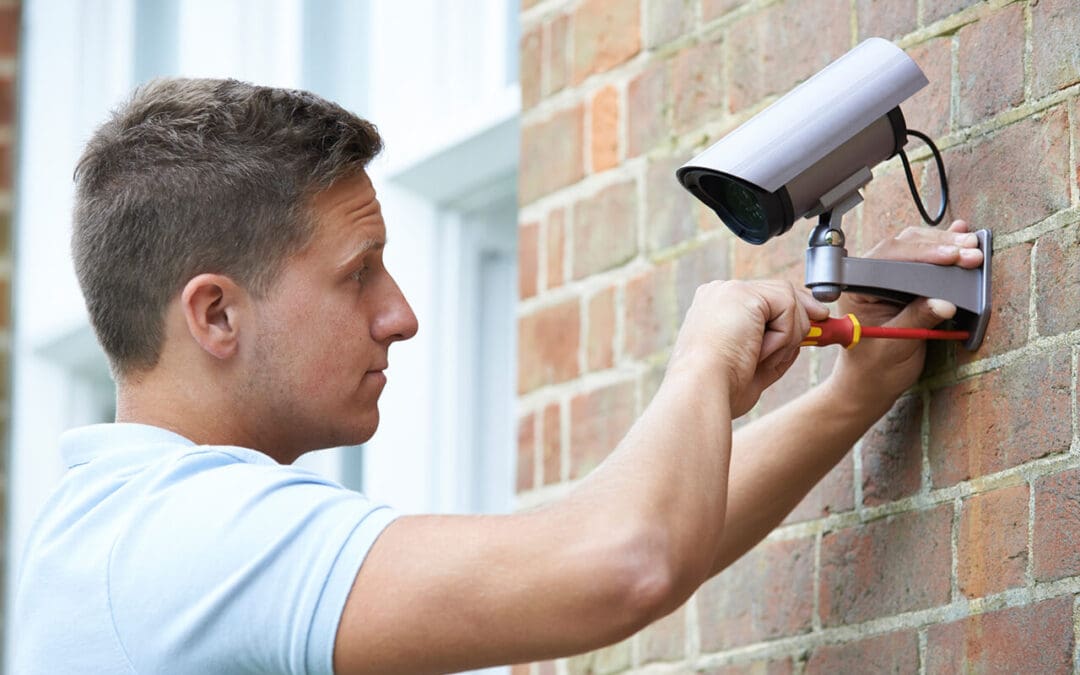
Technology has transformed the way homeowners approach security. Smart devices allow real-time monitoring, remote control, and instant alerts when unusual activity occurs. Smart cameras placed at entrances, driveways, and backyards provide both visibility and deterrence. Many systems send notifications directly to a smartphone when motion is detected. Video doorbells are another useful addition, allowing homeowners to see and speak with visitors even when they are not at home. Smart locks also add convenience while helping to improve home security. They allow doors to be locked or unlocked remotely and can generate temporary access codes for guests or service providers.
Lighting Plays a Bigger Role Than You Think
Lighting is one of the most effective deterrents against suspicious activity. Dark areas around a home provide cover for potential intruders, while well-lit spaces make them feel exposed. Motion-sensor lights near entrances, garages, and pathways automatically activate when movement occurs. This sudden illumination often scares away anyone attempting to approach unnoticed. Indoor lighting can also help create the appearance that someone is home. Timers and smart lighting systems can automatically turn lights on and off at different times of the day, which is particularly useful when homeowners are traveling.
Secure Windows and Other Vulnerable Areas
Windows are another common entry point, especially those located on the ground floor or hidden from street view. Making sure all windows have secure locks is an important step in protecting a home. Window sensors connected to security systems can immediately alert homeowners when a window is opened unexpectedly. Reinforced glass, window bars, or security film can also make it far more difficult for someone to break through. Basements and garages are often overlooked areas that deserve equal attention. Garage doors should remain closed whenever possible, and any interior door connecting the garage to the home should be properly secured.
Everyday Habits That Improve Home Security
Even the best security equipment cannot replace good daily habits. Simple routines go a long way toward keeping a home safe. Locking doors and windows every time you leave the house is a basic but essential practice. Avoid leaving spare keys in obvious hiding spots such as under doormats or flowerpots. Instead, consider using a lockbox or leaving a spare with a trusted neighbor. Another important habit is being mindful of what is shared online. Posting travel plans or extended absences on social media could unintentionally signal that a home will be empty.
Community Awareness and Neighborhood Safety
Home security does not stop at the front door. Strong communities often play a major role in preventing crime. When neighbors look out for one another, suspicious behavior is more likely to be noticed and reported. Neighborhood watch programs, local messaging groups, or simple communication between nearby homeowners will create an extra layer of protection. A connected community could make an entire area less appealing to criminals.
Frequently Asked Questions (FAQs)
What is the easiest way to improve home security?
Start with basic measures such as installing strong deadbolt locks, ensuring doors and windows are always locked, and adding motion-sensor outdoor lighting. These small changes could significantly reduce the likelihood of break-ins.
Are home security systems worth the investment?
Yes, home security systems are highly effective deterrents. Modern systems offer remote monitoring, motion detection, and instant alerts, allowing homeowners to respond quickly to potential threats.
How can I improve home security when traveling?
Before leaving for a trip, ensure all doors and windows are locked, pause mail deliveries if possible, and use smart lighting or timers to create the appearance that someone is home.
Do security cameras actually prevent crime?
Security cameras often act as a strong deterrent because they increase the risk of identification for intruders. While they cannot prevent every crime, visible cameras significantly reduce the chances that a home will be targeted.
How often should home security be updated?
Homeowners should review their security setup at least once a year.
Monadnock Home Inspections provides home inspections in Southern New Hampshire. Contact us to schedule an appointment.