
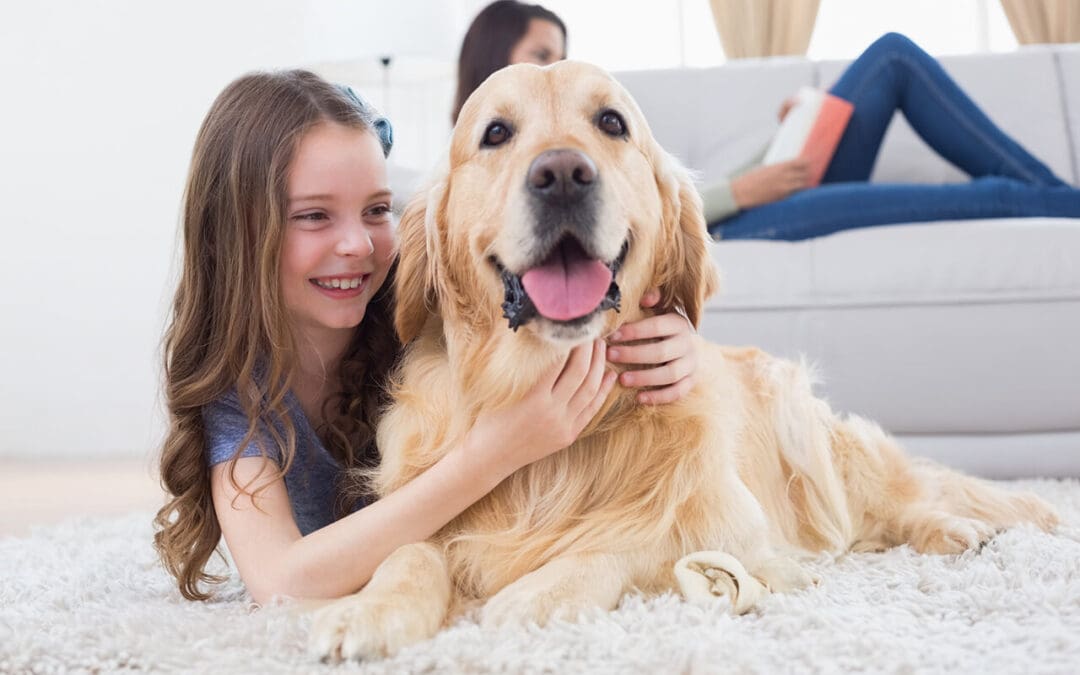
Pets make a house feel like a home, but living with animals also comes with its own unique set of challenges. From scratched floors to chewed furniture and muddy paw prints through the hallway, the wear and tear that comes with pet ownership is real, but entirely manageable with the right approach. Creating a pet-friendly home doesn’t mean sacrificing. It means making thoughtful choices that work for both you and your four-legged family members, keeping everyone comfortable, safe, and happy under the same roof.
What Makes a Truly Pet-Friendly Home
A pet-friendly home is a space that’s been intentionally designed to accommodate their needs while still feeling welcoming and functional for the humans who live there. That balance is easier to strike than most people think. It starts with evaluating your home through the lens of your pet: Where do they spend most of their time? What surfaces take the most abuse? Are there any hazards that need to be addressed? Answering these questions gives you a clear starting point for making meaningful improvements.
Choose the Right Flooring for a Pet-Friendly Home
Flooring is where most pet owners feel the pain first. Hardwood looks beautiful but scratches easily, especially with larger dogs. Carpet traps pet hair, odors, and stains in ways that are difficult to fully reverse. The good news is that there are excellent alternatives that hold up beautifully in homes with pets. Luxury vinyl plank flooring has become one of the most popular choices for pet owners, it’s scratch-resistant, waterproof, easy to clean, and comes in styles that convincingly mimic hardwood. Porcelain tile is another durable, easy-to-maintain option that works especially well in high-traffic areas. If you love the look of hardwood, opt for harder species like hickory or white oak and apply a matte finish that hides minor scratches more effectively.
Create Dedicated Spaces for Your Pets
One of the simplest ways to improve the functionality of a pet-friendly home is to give your animals their own dedicated spaces. A built-in feeding station in the kitchen keeps food and water bowls tidy and out of the way. A cozy nook under the stairs or in a corner of the living room makes a perfect sleeping spot that keeps pet beds off the main furniture. A mudroom or laundry room entry with a built-in pet washing station is a game-changer for dog owners who deal with muddy paws after every walk. When pets have clearly defined spaces of their own, they’re less likely to spread their mess throughout the rest of the house.
Pet-Proof Your Home Without Sacrificing Style
Pet-proofing doesn’t have to mean covering everything in plastic or hiding away anything nice. It means choosing materials and furnishings that are durable enough to handle daily life with animals. Opt for sofas and chairs upholstered in performance fabrics like microfiber or outdoor-grade textiles that resist staining and clean up easily. Slipcovers are a practical and stylish solution that allows you to simply toss the cover in the wash when things get messy. When it comes to window treatments, cordless blinds or roller shades eliminate the hazard of dangling cords that may be dangerous for curious pets. Keeping cleaning supplies stocked and easily accessible also goes a long way toward maintaining a fresh, tidy space without constant effort.
Keep Outdoor Spaces Safe and Accessible
If you have a yard, make sure it’s securely fenced with no gaps or weak spots a determined dog could squeeze through or dig under. Check your landscaping for plants that are toxic to animals. Designate a specific area of the yard for bathroom use to protect the rest of your lawn, and consider a shaded spot with fresh water available during warmer months. Outdoor spaces that are safe, stimulating, and comfortable for pets contribute significantly to their overall well-being and reduce destructive behavior indoors. A well-designed pet-friendly home creates a better quality of life for every member of the household. With the right materials, a little planning, and a few smart upgrades, it’s entirely possible to have a home that’s beautiful, functional, and perfectly suited to life with the animals you love.
Frequently Asked Questions (FAQs)
What is the best flooring for a pet-friendly home?
Luxury vinyl plank flooring is widely considered the top choice for pet owners thanks to its scratch resistance, waterproof surface, and easy maintenance. Porcelain tile is another excellent option for high-traffic areas.
How do I keep my furniture from being destroyed by pets?
Choose upholstery in performance fabrics like microfiber or outdoor-grade textiles that resist staining and stand up to claws. Slipcovers are a practical solution that makes cleaning easy.
Are there common household plants that are toxic to pets?
Yes, many popular houseplants and garden varieties are toxic to cats and dogs. Azaleas, sago palms, lilies, pothos, and certain varieties of ivy are among the most common hazards.
How can I reduce pet odors in my home?
Regular grooming, frequent washing of pet bedding, and consistent vacuuming are the most effective ways to stay ahead of pet odors. Air purifiers with HEPA filters help capture pet dander and odor particles.
What should I consider when pet-proofing a yard?
Check your fence regularly for gaps, weak spots, or areas where a pet could dig underneath. Remove or replace any plants known to be toxic to animals, designate a bathroom area to protect your lawn, and ensure there’s always access to shade and fresh water.
Monadnock Home Inspections provides home inspections in Southern New Hampshire. Contact us to schedule an appointment.