
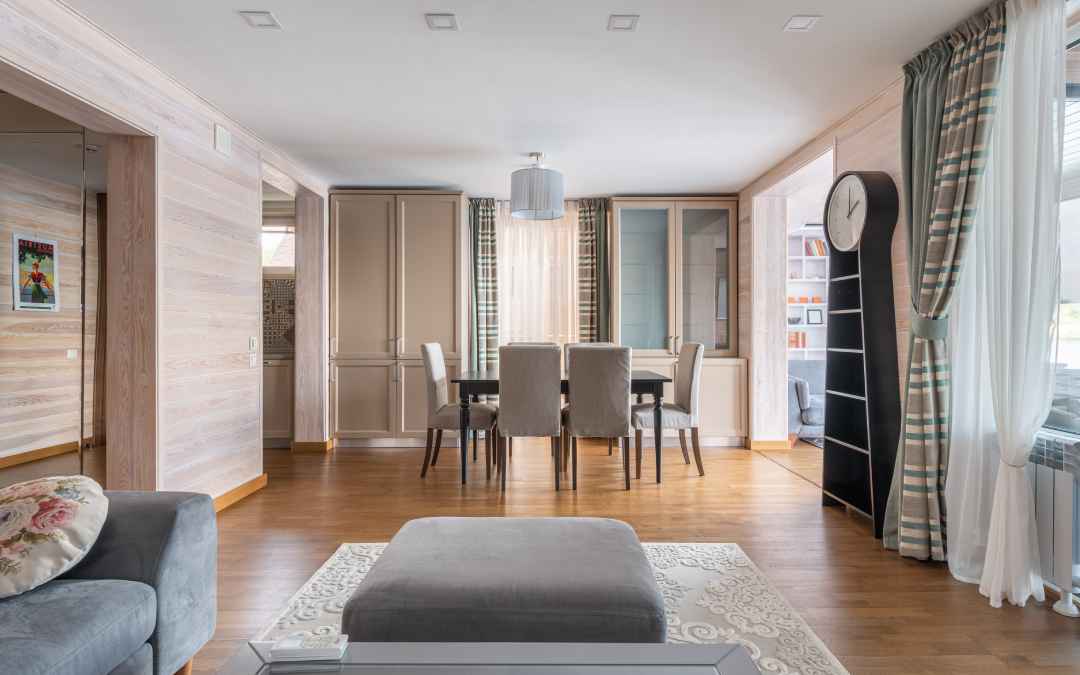
Why Staging Your Home Is the Secret to a Faster, More Profitable Sale
When it comes to selling, staging your home is one of the most powerful tools available. Buyers don’t just purchase square footage; they invest in a feeling. The way a space looks, flows, and feels determines whether someone can picture their future there. This helps create that emotional connection while highlighting its best features and minimizing distractions.
A well-staged property often photographs better, shows better, and stands out in competitive markets. It can even influence perceived value, making buyers more comfortable offering closer to asking price. Rather than viewing staging your home as an added task, consider it a strategic step that positions the property to shine from the very first showing.
Declutter and Depersonalize Before Staging Your Home
The foundation of staging your home begins with simplifying the space. Clutter makes rooms appear smaller and distracts buyers from architectural features. Clearing countertops, organizing closets, and removing excess furniture instantly creates a more open, inviting environment.
Depersonalizing is equally important. Family photos, bold artwork, and highly specific décor can make it harder for buyers to imagine themselves living there. Neutralizing the space does not mean stripping it of personality; instead, it means creating a blank canvas. The goal of staging your home is to help potential buyers envision their own story unfolding in the space.
Closets and storage areas deserve attention as well. Buyers often open doors and cabinets during showings. Neatly arranged shelves and partially filled closets suggest ample storage and thoughtful upkeep.
Focus on First Impressions When Staging Your Home
First impressions begin before buyers even step inside. Curb appeal sets expectations and frames the entire showing experience. Fresh mulch, trimmed landscaping, a clean walkway, and a freshly painted front door can dramatically elevate perceived value.
Inside the entryway, keep the atmosphere bright and welcoming. Proper lighting plays a significant role in staging your home. Open curtains to let in natural light and replace outdated fixtures if necessary. Mirrors can reflect light and make smaller spaces feel larger.
Scent is another subtle but impactful factor. A clean, fresh-smelling home reassures buyers that the property has been well maintained. Avoid overpowering fragrances; simplicity works best.
Arrange Furniture to Highlight Space and Flow
Furniture placement can transform how a room is perceived. When staging your home, avoid pushing all furniture against the walls. Instead, create conversational groupings that showcase how the space functions. Define each room clearly. A spare bedroom should look like a bedroom, not a storage space or undefined area.
Scale matters. Oversized furniture can make rooms feel cramped, while too little furniture can make them seem cold or awkward. The right balance allows buyers to see both comfort and functionality.
Traffic flow should feel intuitive. Remove obstacles and ensure pathways are clear. When staging your house, every step should feel natural and effortless as buyers move from one space to another.
Use Neutral Colors and Strategic Updates
Paint is one of the most cost-effective updates when preparing a property for sale. Neutral tones such as soft grays, warm whites, and light beiges appeal to a broad audience. These shades reflect light and create a cohesive look throughout the home.
Minor repairs should not be overlooked. Fix leaky faucets, squeaky doors, chipped paint, and loose handles. Small imperfections can raise doubts about overall maintenance. Staging your home is not just about appearance; it signals care and attention to detail.
In kitchens and bathrooms, simple upgrades like new hardware, fresh towels, or updated lighting can modernize the space without requiring a full renovation. These areas often influence purchasing decisions the most.
Professional Photography and the Final Touches
In today’s digital-first market, most buyers see listings online before scheduling a showing. After staging your home, professional photography ensures all the effort translates beautifully on screen. Bright, high-resolution images attract more clicks and increase foot traffic.
Before each showing, perform a quick reset. Fluff pillows, straighten rugs, wipe surfaces, and turn on lights. Consistency reinforces the polished presentation buyers expect.
Staging your home is about storytelling. Every room should communicate purpose, comfort, and possibility. When done thoughtfully, staging builds momentum that can lead to quicker offers and stronger negotiations.
FAQs About Staging Your Home
Is staging your home really worth the investment?
Yes, staging your home often leads to faster sales and higher offers. Even small improvements can significantly enhance buyer perception and market appeal.
How much does staging your home typically cost?
Costs vary depending on the size of the property and whether professional stagers are hired. Some homeowners simply rearrange and declutter, while others invest in rented furniture and décor. The return on investment often outweighs the upfront expense.
Can staging your home help in a slow market?
Absolutely. In slower markets, staging your home can make the property stand out among similar listings. It becomes a competitive advantage that captures buyer attention.
Should vacant homes be staged?
Vacant homes can feel cold and smaller than they actually are. Staging your home with furniture helps define spaces and creates warmth, making it easier for buyers to connect emotionally.
How long does staging your home take?
The timeline depends on how much preparation is needed. Decluttering and basic updates may take a few days, while more extensive staging efforts could take a few weeks. Planning ahead ensures the home hits the market in its best possible condition.
Selling a home is both a financial and emotional transaction. By prioritizing staging your house, sellers position their property to make a memorable impression, attract serious buyers, and achieve the strongest possible outcome.
Monadnock Home Inspections provides home inspections in Southern New Hampshire. Contact us to schedule an appointment.